20 October 1842
Michael James Kennedy is born near Castlepollard in County Westmeath, the eldest of three sons of tenant farmers Hugh and Roseanna Kennedy. He is a toddler when the Famine begins.
THE HISTORY
What is documented, and what the film draws from it.
Everything on this page comes from the record: the service files of four Victoria Police officers, the depositions and inquest papers, the minutes and reports of the 1881 Royal Commission, the newspapers of the day, and the written account of the one policeman who came back.
The film dramatises this record. It does not replace it.
20 October 1842
Michael James Kennedy is born near Castlepollard in County Westmeath, the eldest of three sons of tenant farmers Hugh and Roseanna Kennedy. He is a toddler when the Famine begins.
1861 to 1863
Kennedy joins the Dublin Metropolitan Police and serves twenty one months after nine months of training. He resigns in June 1863, having saved enough to pay his parents’ passage to Victoria.
1864
The Kennedys sail from Liverpool. Bridget Tobin, from Tipperary, lands with her family within a month. Michael and Bridget meet at Mass at St Francis’ Church on Lonsdale Street. On 19 August he joins Victoria Police as foot constable number 2009.
17 December 1868
Michael and Bridget marry at her parents’ home at Dry Creek. Their first home is a hut at Maindample.
1870 to 1873
The family moves to Doon, now Bonnie Doon, where Michael is the first permanent policeman. On 1 May 1873 he is promoted to Senior Constable after arresting the Donnelly brothers with Constable Michael Scanlan.
2 April 1877
Kennedy transfers to Mansfield as Senior Constable. On 1 November he is promoted to Sergeant, second class. The family lives beside the police station in a brick house they name Westmeath.
1877
The colony cuts police numbers. The Benalla district covers eleven thousand square miles with eighty police across forty nine stations. The Glenmore station closes. The Royal Commission will later call this a grave error.
April 1878
Constable Fitzpatrick reports being shot at the Kelly homestead. Ellen Kelly is jailed. Ned and Dan Kelly take to the bush.
25 October 1878
Kennedy, Scanlan, Constable Thomas Lonigan and Constable Thomas McIntyre ride out before dawn in plain clothes. Between four men they carry three revolvers, a borrowed shotgun, a borrowed Spencer rifle and eighteen spare rounds. They pitch camp at Stringybark Creek, believing the Kellys to be twenty miles away. The Kelly hut is a mile away.
26 October 1878
Kennedy and Scanlan ride out to search. Just before five, four armed men rise from the spear grass at the camp. Lonigan is shot as he runs for cover. Scanlan is hit before he can dismount. McIntyre escapes on Kennedy’s bolting horse. Kennedy runs through the timber wounded and is shot a final time a quarter of a mile north west of the camp.
27 October 1878
McIntyre walks out through the moonlight and reaches Mansfield the next afternoon. He writes his statement within twenty four hours of the shootings and returns to the ranges with the first search party.
28 to 31 October 1878
Lonigan and Scanlan are found on Monday. On Thursday morning Henry Sparrow finds Sergeant Kennedy beneath his own coat. His watch, chain, ring and money are gone.
1 November 1878
Dr Samuel Reynolds records a gunshot wound to the chest as Kennedy’s cause of death. About two hundred people attend his funeral in the rain. The same day the Governor assents to the Felons Apprehension Act.
1879
The Police Board offers Bridget an allowance that Mansfield considers insufficient. Mansfield Shire Council petitions Parliament. The local member, James Graves, takes the case to the Legislative Assembly, and the government extends it to Charlotte Lonigan.
22 April 1880
A white marble monument to Kennedy, Scanlan and Lonigan is unveiled in Mansfield’s High Street. The crowd stands in mud as Chief Commissioner Standish says there was not a better or truer man in the department than Sergeant Kennedy.
June and July 1880
The gang is taken at Glenrowan on 28 June. In July pensions based on their husbands’ pay are settled for Bridget Kennedy and Charlotte Lonigan, together with a trust for each child. It has taken twenty one months.
7 March 1881
A Royal Commission is appointed to inquire into the outbreak and the state of Victoria Police. It sits sixty six times and hears sixty two witnesses. Its reports reject the claim of police persecution and find serious failures in staffing, command and equipment.
1893 to 1917
Sergeant Kennedy’s watch is recovered after fifteen years of searching and returned to Bridget. The following year she opens a grocery beside Westmeath and runs it for almost twenty five years.
26 December 1906
The Story of the Kelly Gang opens at the Athenaeum Hall in Melbourne. Bridget Kennedy, Thomas McIntyre and the five Kennedy children are living.
1924
Bridget Kennedy dies in Melbourne and is buried at Mansfield beside Michael and their infant son John Thomas.
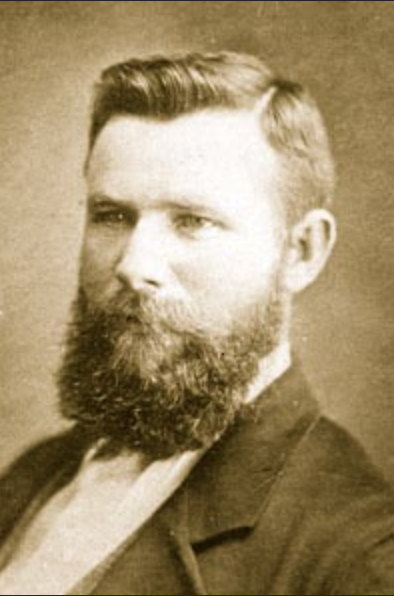
From Westmeath. Fourteen years in Victoria Police, the first policeman at Doon and promoted twice on results against stock thieves. He left a wife, five children under nine and a sixth on the way.
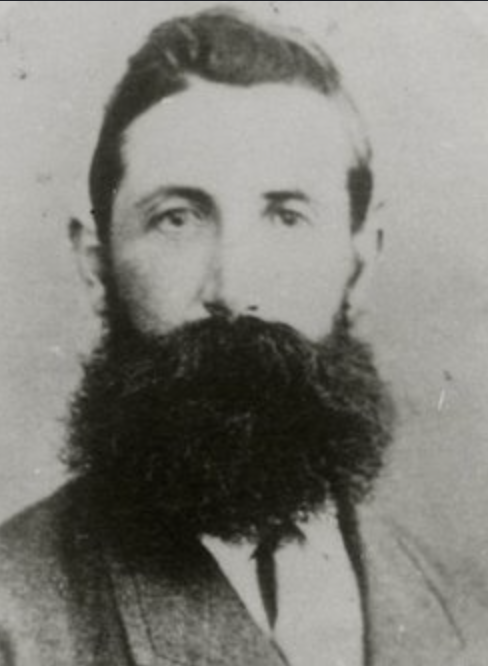
Irish, trained as a teacher and in Victoria Police from 1865. Kennedy’s patrol partner for years and a regular at the Kennedy table. He had no family in the colony.
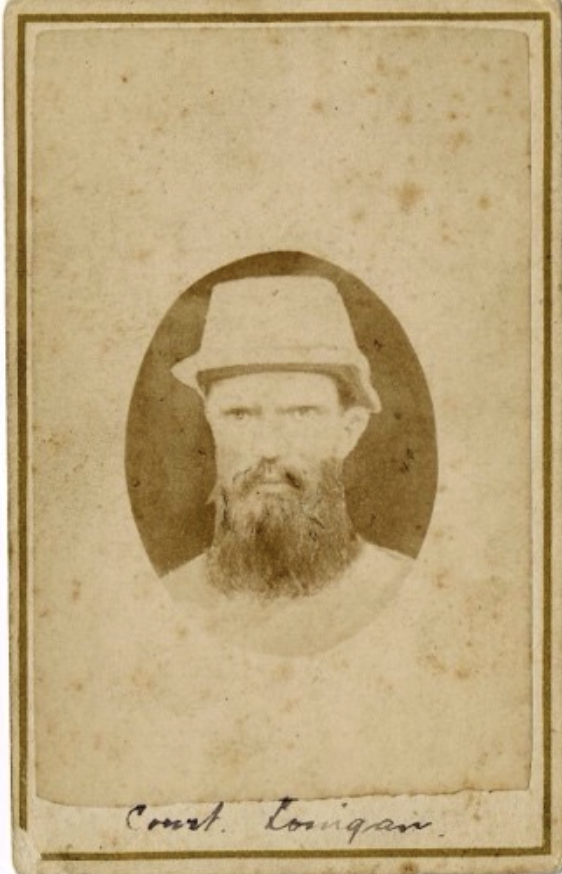
From County Sligo. He served across north east Victoria and joined the party because he knew Ned Kelly by sight. He left four children and a pregnant wife.
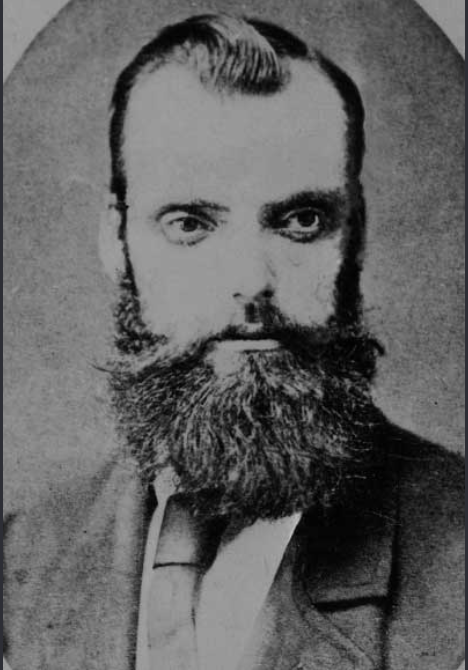
Irish, a former policeman and schoolteacher. Unarmed when the camp was taken. He gave the same account from 27 October 1878 to the end of his life.
All four policemen were born in Ireland, as were most of the force.
A constable bought his own uniform and paid for every round he fired. Kennedy’s party rode out with three revolvers between four men and borrowed the rest.
The Kelly brothers knew the party was coming. The police did not know the Kellys were a mile away.
McIntyre’s account was written within twenty four hours and did not change.
No pension existed for a police widow in 1878. Bridget Kennedy’s took twenty one months, a shire council petition and the local member.
The 1906 film was made while Bridget Kennedy, Thomas McIntyre and the Kennedy children were living.
Casting news, location dispatches from north east Victoria and Ballarat, and first access to tickets when KENNEDY reaches cinemas in 2028.
No more than one email a month. Unsubscribe any time.